Welcome to Nug's Auto Haus

Your brakes are arguably the most important safety feature on your car. Whether you’re navigating the school run in Brendale or cruising down the Bruce Highway, knowing that your car will stop exactly when you need it to be non-negotiable.
At Nugs Auto Haus, we’ve seen it all - from minor Brake Pad Replacements to major system overhauls. We believe that a little bit of knowledge can go a long way in keeping you safe and saving you a small fortune in repair bills.
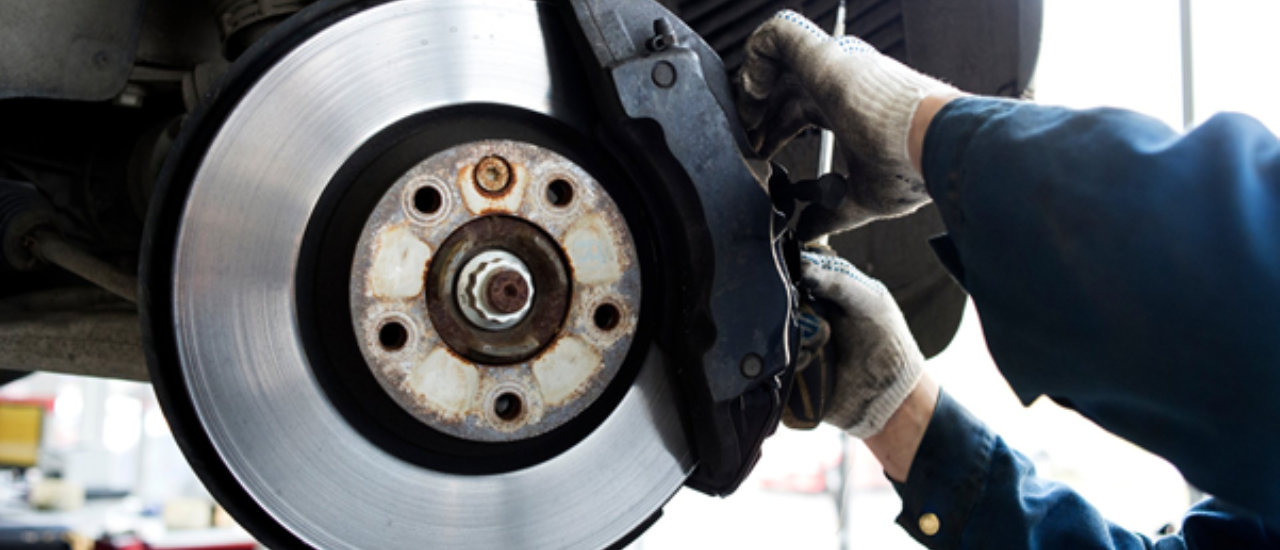
Think of your braking system as a high-stakes team effort. When you hit the pedal, hydraulic fluid (the messenger) tells the callipers (the clamps) to squeeze the brake pads (the grip) against the rotors (the spinning discs).
This creates the friction needed to turn your momentum into heat and bring your car to a halt. If any member of this team slacks off, your stopping distance grows-and that’s when things get sketchy.
If your car sounds like it’s whistling every time you slow down, that’s usually a built-in "wear indicator." It’s a tiny piece of metal designed to make noise once your pads get too thin. Think of it as your car’s way of saying, "Hey, I'm getting low!"
If the squeal turns into a harsh, metallic grinding sound, stop driving. This means your pads are gone, and metal is rubbing against metal. At this stage, you aren't just replacing pads; you’re likely destroying your rotors, too.
Does your brake pedal feel soft, like you’re stepping on a marshmallow? Or worse, does it sink all the way to the floor? This usually means there’s air in your brake lines or a fluid leak. It’s a major red flag that requires immediate attention.
If your steering wheel or brake pedal vibrates when you slow down, your rotors are likely "warped." This often happens from overheating or just general wear and tear over time, making for a bumpy and less effective stop.
Modern cars are pretty smart. If your brake warning light pops up, it could be anything from low fluid to an ABS sensor glitch. Don't play a guessing game with this one-get a quick diagnostic check.
If your car feels like it’s trying to steer itself to the left or right when you brake, you might have a "stuck" caliper or uneven pad wear. It’s frustrating, but more importantly, it makes your car unpredictable in an emergency.
Smelling something sharp and metallic after a long hill or some heavy braking? Your brakes are overheating. Pull over safely, let them cool down, and have a professional take a look. Overheated brakes can "fade," meaning they eventually stop working altogether.
The best way to handle brake problems is to catch them before they become problems. During a standard service at Nugs Auto Haus, we don't just look at the pads; we check the fluid quality, inspect the lines for cracks, and ensure your callipers are moving freely. This is all part of Proper Car Maintenance.
The benefits?
Living in Queensland means our cars deal with some serious heat and humidity, both of which can take a toll on brake fluid and components. At Nugs Auto Haus, we’re locals helping locals. We use high-quality parts and honest diagnostics to make sure you’re never paying for something you don't need.
Notice a strange noise or a soft brake pedal? Don’t wait for the issue to get worse. Contact the team at Nugs Auto Haus today so, we can inspect your vehicle and ensure it stays safe, reliable, and road ready.
It’s recommended to have your brakes inspected every 10,000-15,000 km or at least once a year. However, if you notice squeaking, grinding, or reduced braking performance, you should book a car service immediately with a qualified auto mechanic.
The most common causes include worn brake pads, low brake fluid, and neglected maintenance. In many cases, regular auto service can prevent these issues before they become serious and require costly auto repair.
You can, but it is not recommended. Squeaking or grinding noises often indicate worn components that may fail soon. It’s best to visit a trusted car mechanic in Brendale, Queensland, Australia for immediate inspection.
A soft brake pedal usually indicates air in the brake lines, low brake fluid, or a leak in the hydraulic system. This is a serious safety issue and should be checked by a professional vehicle mechanic as soon as possible.