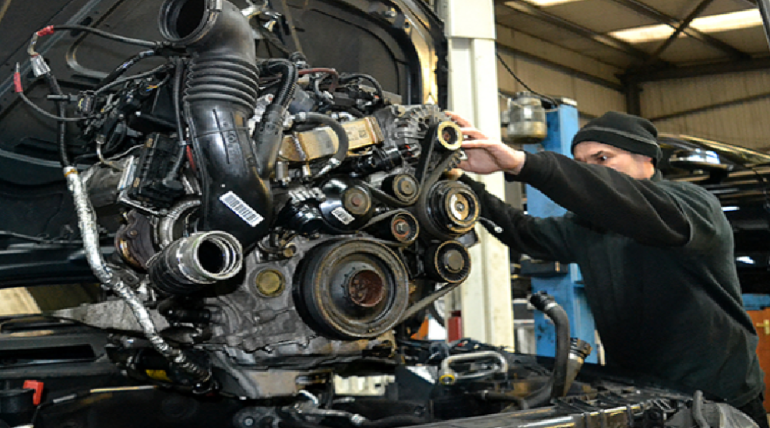
An engine conversion can change how a vehicle performs, but choosing the right replacement engine involves more than looking for additional power. The new engine must suit the vehicle’s design, transmission, drivetrain and intended use. It is also important to consider installation requirements, supporting components, costs and legal compliance before starting the project.
Whether you want to improve your vehicle’s performance, replace an unsuitable engine or explore a different engine configuration, proper planning can help prevent compatibility issues and unexpected expenses. If you are considering an engine conversion in Brendale, understanding the following factors will help you make a more informed decision.
What Is an Engine Conversion?
An engine conversion involves replacing a vehicle’s original engine with a different engine configuration. This may involve installing a newer engine, choosing a different fuel type or upgrading to an engine with different performance characteristics.
Unlike a straightforward engine replacement, a conversion can require changes to other vehicle systems. The amount of work depends on the vehicle, the selected engine and how closely the new setup matches the original specifications.
Important Factors to Consider Before an Engine Conversion
1. Identify Your Reason for the Conversion
Some vehicle owners consider engine conversions to improve power and torque, while others may be interested in a different engine type or replacing an outdated configuration.
Your intended use will influence which engine is appropriate. A vehicle used for everyday commuting may have different requirements from a 4WD, towing vehicle or performance project. Having a clear objective helps narrow down suitable options and avoid unnecessary modifications.
2. Check Engine Compatibility
Engine compatibility is one of the most important parts of the planning process. The replacement engine must be suitable for the vehicle’s available space, mounting points and mechanical configuration.
Consider factors such as engine dimensions, mounting arrangements, cooling requirements and connections to existing systems. An engine that physically fits may still require significant modifications before it can operate correctly.
A professional assessment can help identify compatibility concerns early and determine what additional work may be needed.
3. Consider the Transmission and Drivetrain
The engine does not operate independently. It works alongside the transmission, clutch, driveshaft, differential and other drivetrain components to transfer power to the wheels.
A change in engine output may place different demands on these parts. Check whether the existing transmission and drivetrain are suitable for the proposed setup or whether upgrades will be required.
Ignoring these connections can lead to poor performance, excessive component wear or mechanical problems after installation.
4. Evaluate Cooling, Fuel and Electrical Requirements
A different engine may have different cooling, fuel delivery and electrical requirements. The radiator, cooling fans, fuel pump, fuel lines and related components may need to be checked or modified to suit the new configuration.
Modern engines can also rely on electronic control units, sensors, wiring harnesses and immobiliser systems. These components must communicate correctly for the engine to operate as intended.
Discuss these requirements before purchasing an engine so you can understand the full scope of the conversion.
5. Understand the Total Conversion Cost
The overall cost of an engine conversion involves more than purchasing the engine itself. Labour, mounting components, transmission modifications, wiring, cooling upgrades and other supporting parts can add to the final expense.
Ask for an assessment of the work involved and clarify which components are included in the estimate. It is also sensible to allow room in your budget for unexpected repairs or additional requirements discovered during installation.
Comparing the complete project cost rather than the engine purchase price alone can help you make a practical financial decision.
6. Check Queensland Modification and Compliance Requirements
Engine conversions must meet applicable vehicle safety and modification requirements. Depending on the type and extent of the conversion, engineering certification or approval may be required before the vehicle can be used on public roads.
Check the relevant Queensland Department of Transport and Main Roads requirements before proceeding. Consider emissions requirements, vehicle identification, braking capacity, noise limits and any conditions that apply to the proposed modification.
Do not assume that an engine conversion is automatically road legal because the engine fits and operates correctly. Confirm the applicable requirements with the relevant authorities and a suitably qualified vehicle modifier or engineer.
7. Choose Experienced Professionals
Engine conversions involve mechanical, electrical and vehicle integration work that requires careful planning. Choosing an experienced workshop can help ensure that compatibility, installation and supporting systems receive proper attention.
Before proceeding, discuss the proposed engine, intended outcome, expected modifications and project timeline. Ask how the workshop approaches testing and checks the completed installation.
Clear communication throughout the process helps you understand the work being performed and the requirements for maintaining the converted vehicle.
Engine Conversion Services at Nugs Auto Haus Brendale
Planning an engine conversion requires an understanding of how different vehicle components work together. Nugs Auto Haus provides Engine conversion services in Brendale, with attention to engine compatibility, drivetrain integration and the overall vehicle configuration.
Whether you are considering a different engine setup or exploring ways to change your vehicle’s performance, discuss your requirements with the team before selecting an engine. A proper assessment can help identify the work involved and the factors that need to be addressed during the conversion.
Visit the Nugs Auto Haus to learn more about the service and contact the workshop to discuss your vehicle.
Plan Your Engine Conversion Carefully
A successful engine conversion depends on choosing a suitable engine and ensuring that all supporting systems work together. Compatibility, transmission requirements, cooling, electrical integration, project costs and legal compliance should all be considered before installation begins.
Taking time to assess these factors can help reduce avoidable complications and support a more reliable result. Speak with an experienced automotive professional to understand your options and determine whether an engine conversion is suitable for your vehicle.
Why Other Vehicle Maintenance Checks Matter
Along with major mechanical work, regular vehicle maintenance plays an important role in keeping your vehicle safe and roadworthy. If your engine conversion project also involves replacing tyres or making changes to the vehicle setup, it is worth understanding the importance of proper wheel alignment. Read our previous blog, “Why Wheel Alignment Matters After a Tyre Replacement,” to learn how correct wheel alignment supports handling, driving stability and even tyre wear. Keeping these maintenance requirements in mind helps you take a more complete approach to vehicle care.
Frequently asked questions
1. What should I consider before getting an engine conversion?
Consider your vehicle’s compatibility, intended performance, transmission, cooling system, electrical requirements, total project cost and legal compliance. A professional assessment can help determine whether the proposed engine is suitable.
2. Can any engine be fitted into a different vehicle?
No. Engine compatibility depends on the vehicle’s design, available space, mounting points, drivetrain and supporting systems. Some conversions require additional mechanical and electrical modifications.
3. Does an engine conversion require approval in Queensland?
Certain engine conversions are classified as complex vehicle modifications and require certification by an approved person under the applicable Queensland modification code. Requirements depend on the type of conversion and vehicle. Check with Queensland Transport and Main Roads before proceeding.
4. How much does an engine conversion cost?
The cost depends on the replacement engine, labour, supporting components and modifications required. Transmission changes, wiring, cooling upgrades and certification can also affect the overall project cost.
5. Where can I get engine conversion services in Brendale?
Nugs Auto Haus provides engine conversion services in Brendale. Visit its website to learn more about the service and contact the workshop to discuss your vehicle’s requirements.